Thailand's Tourism Boom and the Foreigners Drinking Through It
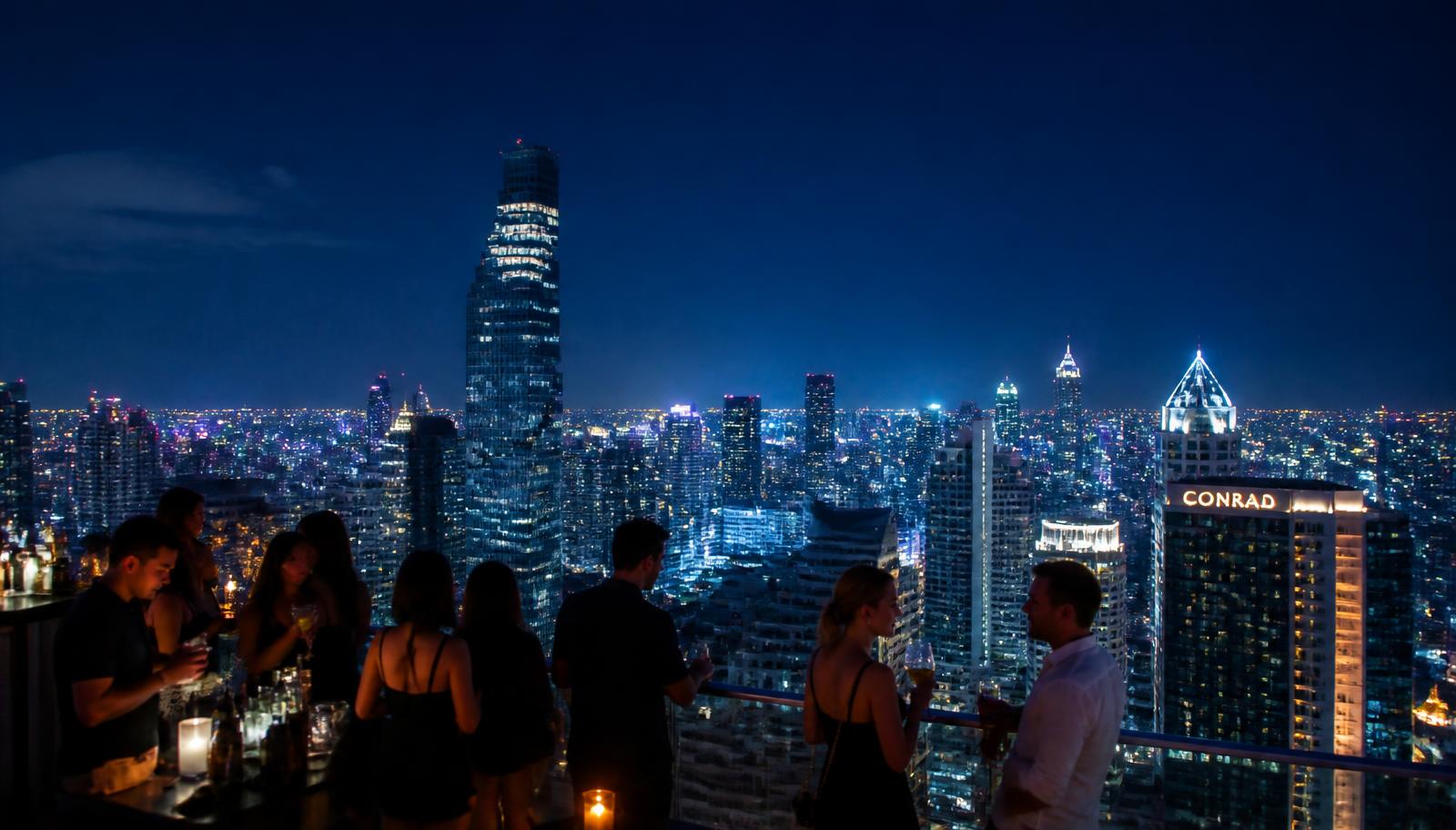
Walk into any rooftop bar on Sukhumvit after eight o'clock and you will hear it before you see it: a low roar of English, French, German, Mandarin and Korean layered over ice and house music. In 2026 Thailand is in the middle of one of the biggest tourism surges in its history, and the country's bars — especially Bangkok's — have become the place that surge lands every night.
The numbers are striking. After the deep freeze of the pandemic years and a slow, uneven recovery, international arrivals crossed thirty-five million in the twelve months through the summer of 2026, a figure that puts the country within reach of its pre-2020 peak and, by some measures, past it. The baht has stayed soft against the dollar and the euro, which means a cocktail that costs the equivalent of eighteen euros in Paris costs ten in Bangkok, and a beer on a soi costs less than a coffee back home. For a generation of travelers squeezed by inflation in their own countries, Thailand is not just exotic anymore — it is affordable in a way few western capitals still are.
The visa door swung open
Policy caught up with the moment. Thailand rolled out and steadily widened its visa-free entry scheme for dozens of countries — visitors from much of Europe, North America, Australia and parts of East Asia can now stay for up to sixty days without applying for anything in advance. A longer-stay Destination Thailand Visa, aimed at remote workers, has pulled in a different crowd entirely: not package tourists on a two-week holiday, but laptop-carrying foreigners who rent apartments in Thong Lo or Ekkamai for months at a time and treat the city's bars the way a local would — as a weekday habit, not a vacation splurge.
That shift matters more than the headline arrival number suggests. A tourist who stays ten days drinks in the obvious places. A remote worker who stays six months finds the second tier — the neighborhood cocktail bars, the craft beer taprooms, the Soi Nana shophouse joints — and drinks there often enough to change their economics. Owners who built their rooms for a weekend crowd are now quietly serving a regular foreign clientele that keeps the lights on Monday through Wednesday, the nights that used to kill bars.
Who is actually in the room
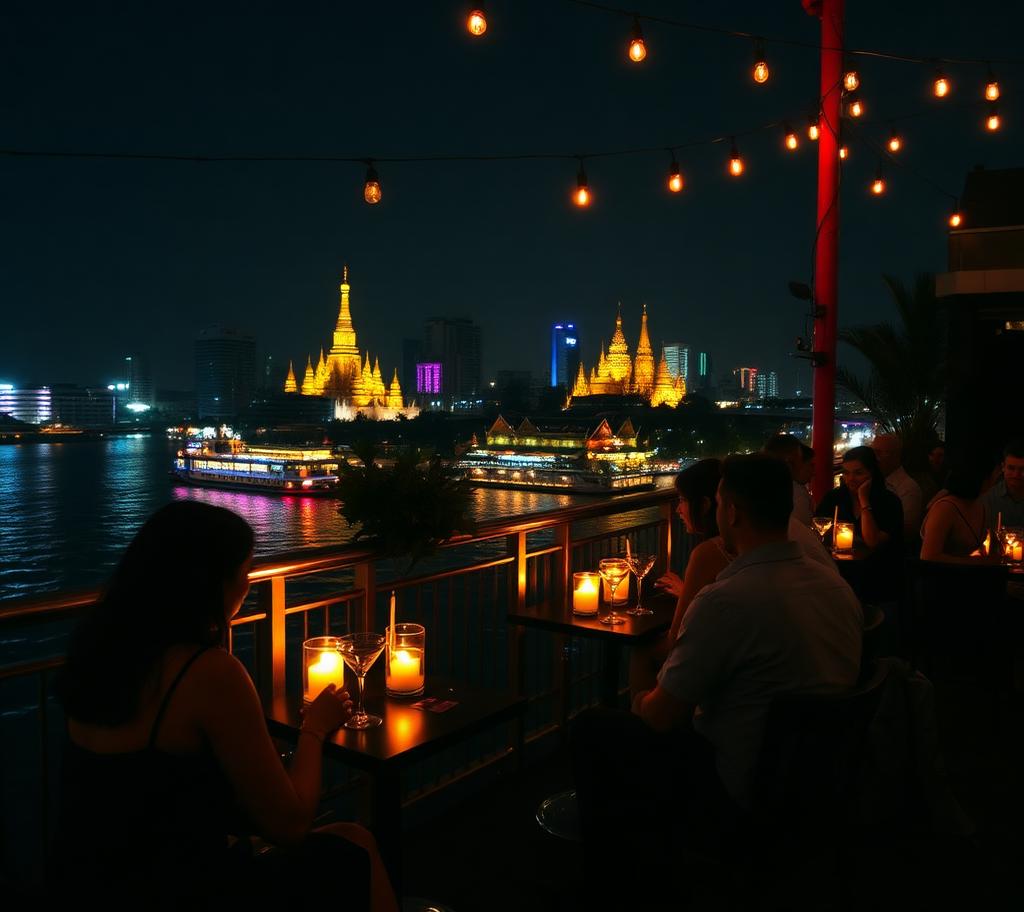
The foreign bar crowd in 2026 is not one thing. It is layered, and each layer has its own geography. The short-stay tourists — the two-week crowd — concentrate along the Sukhumvit spine and the riverside hotels. They fill the skyline rooftops like Mahanakhon SkyBar and Sky Bar at Lebua, and they queue for the Instagram-friendly speakeasies off Thong Lo. They spend freely, they photograph everything, and they are gone by the time the regulars arrive.
The long-stay crowd is different. They have opinions. They know which bartender moved from Vesper to a smaller room, which Soi 11 spot is overrun on a Friday and which Ekkamai taproom still pours a clean Negroni on a Tuesday. They are the ones sitting at the counter, talking to staff in broken Thai, ordering the off-menu drinks. They have turned a handful of bars into something close to a neighborhood pub — a place where the bartender knows your order and the foreign faces outnumber the Thai ones not because the bar chased tourists, but because the neighborhood itself changed.
And then there is the East Asian wave. Korean and Chinese travelers, buoyed by cheap flights and a favorable currency, have become a defining presence in certain rooms — the high-design cocktail bars, the themed lounges, the craft beer houses that lean into aesthetics. The bar map of Bangkok is being redrawn not just by westerners but by a far more diverse foreign crowd than the one that filled Khao San Road a decade ago.
What the bars are doing about it
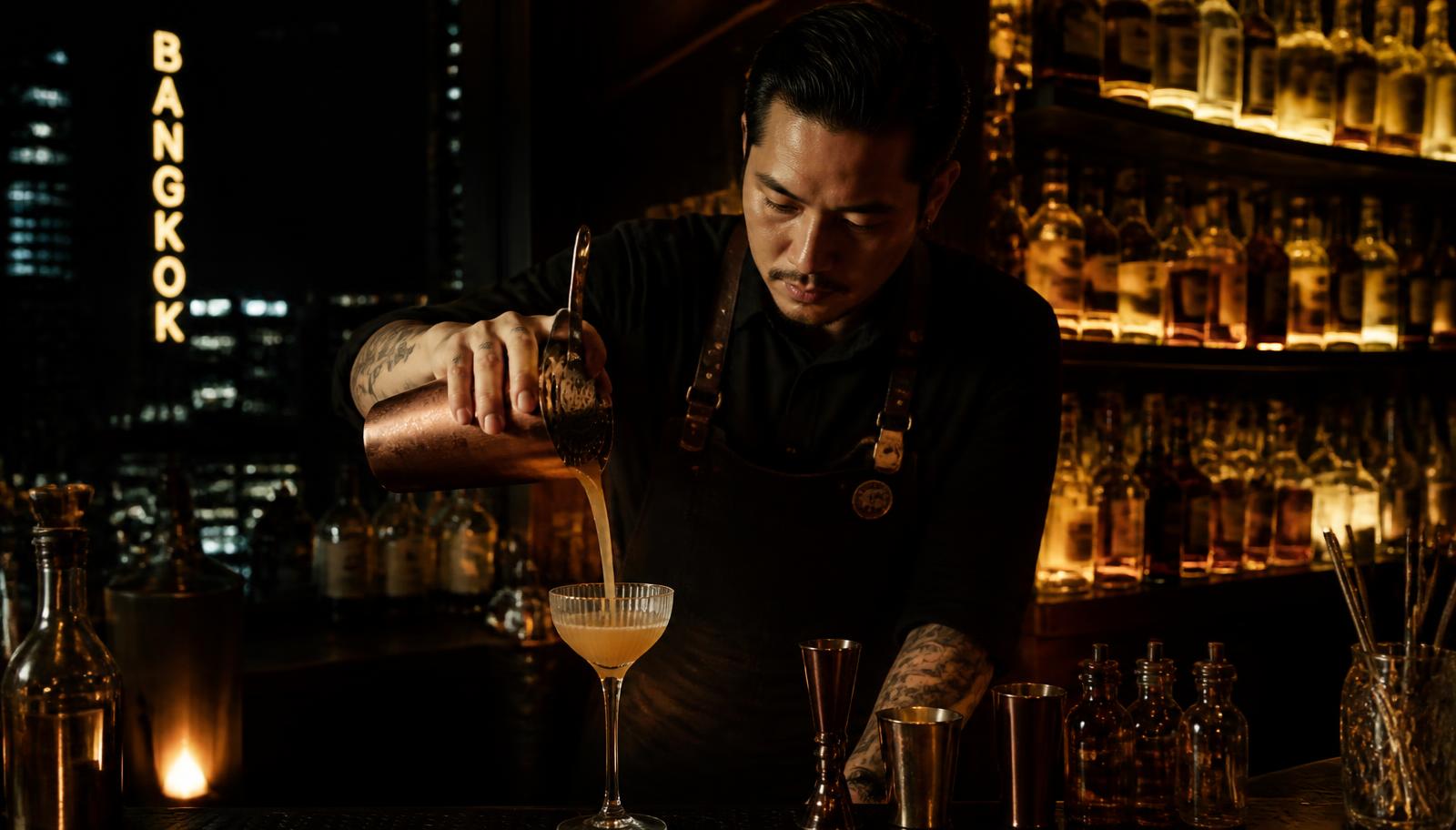
Owners are adapting in plain sight. Menus that were once Thai-only now carry English first, with Korean and Chinese translations appearing on the high-traffic rooftops. Some bars have hired bartenders who speak a second language; others have leaned into the universal language of a well-made drink and stopped worrying about it. A few have leaned the other way — creating members' rooms, hidden entrances and reservation systems that filter the crowd and protect the regulars, foreign and Thai alike, from the worst of the surge.
There are real tensions underneath the boom. Rents on the good sois have climbed hard. A bar that paid sixty thousand baht a month in 2019 can face double that in 2026, and the landlord knows exactly how much foreign money is walking past the door every night. Some of the city's best-loved mid-range rooms have quietly closed or moved; the ones that survive tend to either own their building or have built a reputation strong enough to charge whatever they need to. There is a quiet conversation in the industry about whether Bangkok is pricing out the exact mix — cheap enough for locals, good enough for tourists — that made its bar scene special in the first place.
The crowd that came to stay
For now, though, the dominant feeling in the rooms is energy. The surge has given Bangkok's bartenders something they did not have in the lean years: a crowd. On any given night a rooftop on Sukhumvit might hold a German couple on their honeymoon, a group of Korean friends on a long weekend, a French remote worker on his fourth month, a British backpacker passing through and a table of Bangkok locals who have been coming for years. They are all there for different reasons, they are spending at different levels, and the bar is managing to serve all of them at once.
That is the strange gift of a tourism boom when it lands on a city that already knows how to drink. Bangkok was not built for this crowd — it was built for itself — but it turns out to be remarkably good at absorbing foreigners without becoming a theme park of itself. The plastic-stool places still serve Thai whiskey to Thai regulars at midnight. The speakeasies still make one of the best cocktails in Asia. And the rooftops, for a few hours each evening, are full of people from everywhere, looking at the same skyline, spending money that goes a long way here and nowhere else.
If there is a single image for 2026, it is this: a foreigner who flew in visa-free, paid in a currency that stretches, and ended the night at a bar counter talking to a bartender who has done this a thousand times. The tourism numbers will eventually cool. The baht will move. The visa rules will tighten or loosen. But for now, the doors are open, the city is pouring, and the foreigners keep coming — and Bangkok, as it always has, is making room for them.