Last Orders at Midnight: How Bangkok's Drinking Clock Actually Works
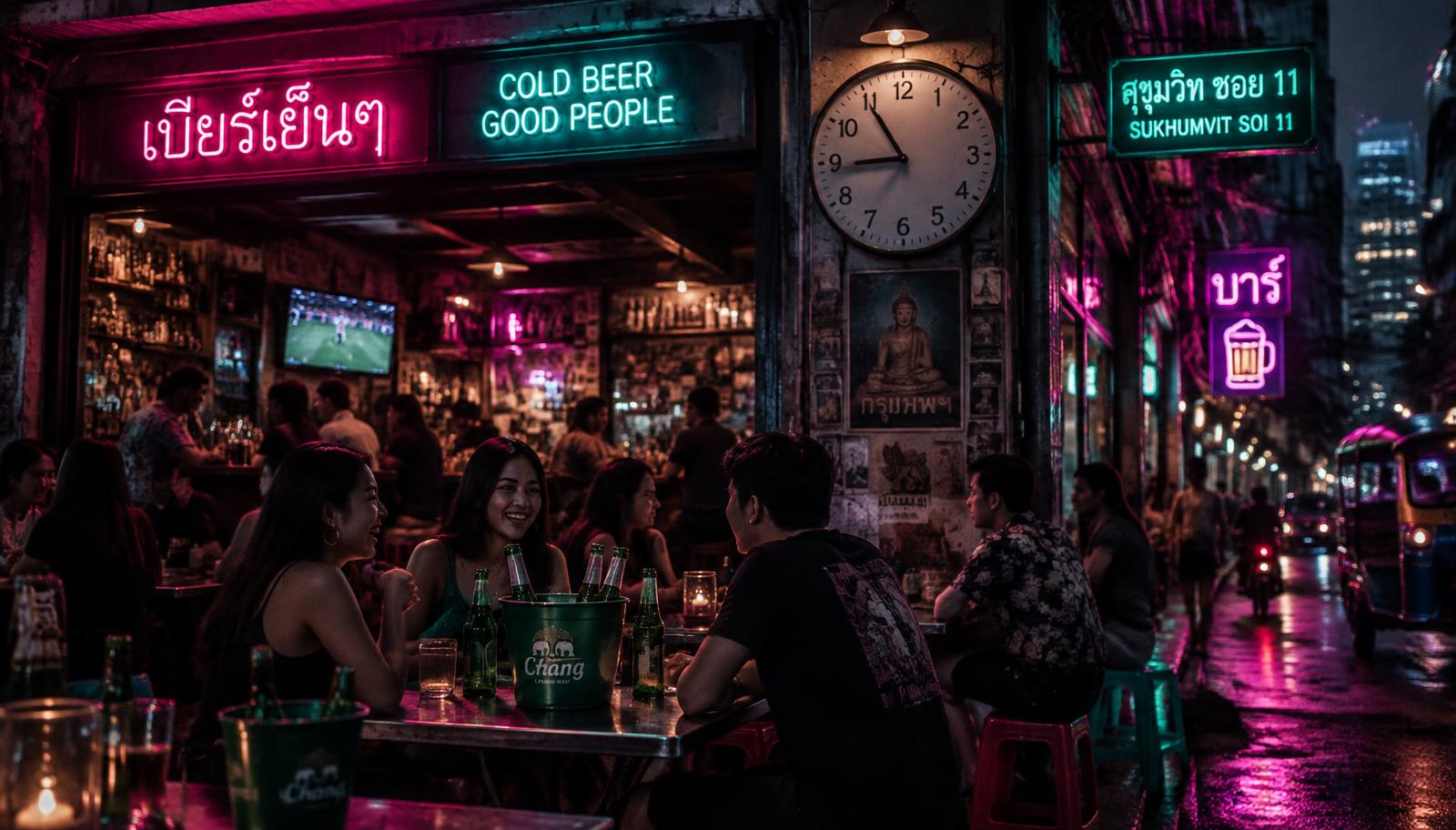
Every city runs on a clock, and Bangkok's has been rewired more than once in the last eighteen months. The rules about when you can buy a drink in Thailand — the ones that have surprised, annoyed and occasionally ruined visitors' nights for half a century — are being rewritten in public, and the version printed in most guidebooks is now simply out of date. The famous afternoon ban is gone for good. The midnight line is real and strictly enforced. And a sliver of the city has quietly been granted two extra hours of night that the rest of the country does not have.
None of this is legal advice, and the details still move. But the shape of the system is stable enough to plan around, and that planning is the difference between a night that flows from rooftop to soi and one that ends with a bartender politely pointing at the wall clock. Here is how the Thai drinking clock actually works now, and what it means for the way you spend an evening in the city.
The afternoon ban is gone
For fifty-three years, Thailand banned the sale of alcohol between roughly two in the afternoon and five in the evening — a quirk of the 1972 licensing regime that survived coups, constitutions and the entire rise of Thai tourism. It was the rule that left a visitor in a convenience-store doorway, told the beer in their hand could not legally be scanned until five. That gap closed permanently on 29 May 2026, when the Alcoholic Beverage Control Committee's announcement in the Royal Gazette made an 11:00 a.m. to midnight sales window official nationwide, ending a six-month trial that had begun in December 2025 (Bangkok Post). Thailand's craft brewers called the old ban an abnormality; for anyone drinking through the city, its removal simply restores normality. A beer with a late lunch is now unremarkable.
Midnight is where the day ends
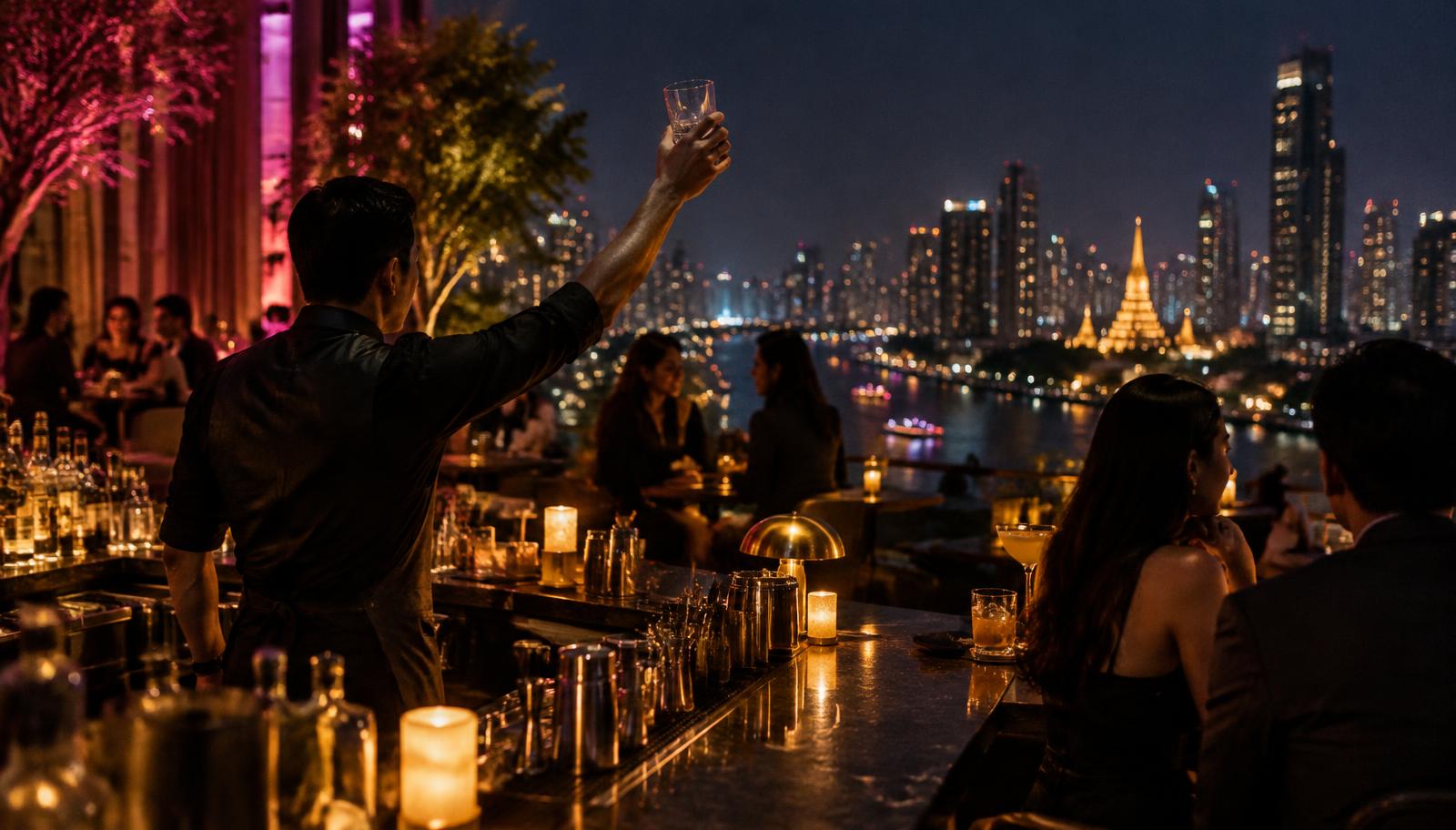
Do not confuse the retail window with the closing time of a bar, though. The eleven-to-midnight rule governs the sale of alcohol — the till, the bottle shop, the bar tab. What happens after midnight depends on what kind of room you are standing in. Standard licensed bars and clubs across most of the country stop serving at two in the morning, and a great many stop well before that: neighbourhood pubs, backstreet rooms and most sois are finished by midnight or one. Hotels sit under a separate law altogether. A bar inside a licensed hotel can keep pouring through the night, which is why the rooftop rooms and hotel cocktail bars rescue a late night, and why a hotel bar is the safest structure for an evening with no planned end.
The four o'clock zones
Bangkok now has a two-tier night. A 4 a.m. closing pilot applies only inside designated entertainment zones — in the capital that means Khao San Road, the RCA entertainment complex and parts of Thonglor — and only at venues holding the specific extended-hours licence. Everywhere else the two a.m. line holds. On the ground the effect is simple and faintly surreal: step out of a designated zone and last orders come two hours earlier. The clubs and late rooms inside those zones keep going; the bar around the corner is already stacking chairs. If the plan is to be out until four, check the venue's posted hours first: the licence belongs to the room, not the street outside it.
Dry days
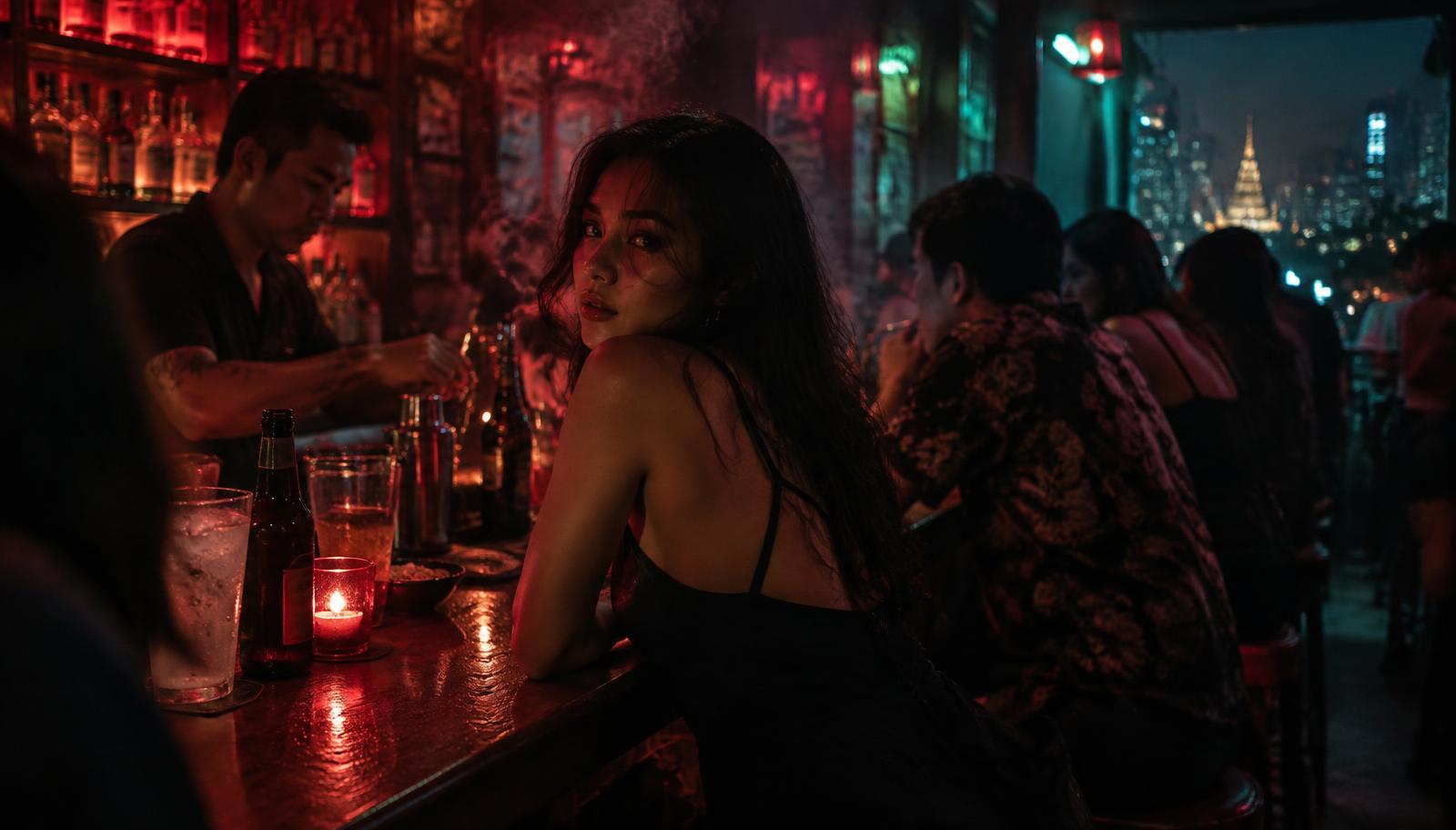
Thailand also stops selling alcohol completely on certain days. Sales are barred nationwide for a full twenty-four hours on major Buddhist holy days — five of them each year — and around national elections, when the restriction extends to drinking on the premises as well. These dates shift with the lunar and political calendars, so they cannot be guessed. They are announced, and they are enforced: on a dry day the bottles in a convenience store are genuinely out of reach, most bars are shuttered, and even hotel service can be interrupted. Check the calendar before you fly and build the drinking around it — a dry day in Bangkok is not a suggestion, and no amount of negotiating will move it.
The age line, and the drink-drive trap
Two other rules catch foreigners more often than the hours do. The legal drinking age is twenty, raised from eighteen under the 2008 alcohol control act, and a seller who serves someone under twenty — or someone already visibly intoxicated — faces up to a year in prison and a fine of one hundred thousand baht. In practice that means a bar may ask for identification far more readily than you expect, and a passport is the document that actually works.
The other trap is driving. Thailand's drink-drive limit is 0.05 percent for standard licence holders, but a far stricter 0.02 percent applies to anyone under twenty, to anyone on a provisional or two-year licence, and to anyone driving on a foreign licence — which covers almost every visitor. On that threshold, a single drink puts you close to the limit. The city's answer is cheap and easy: a metered taxi, a ride-hail, or the hotel's own car. Nobody in Bangkok thinks less of you for not driving home.
How to run a night around the clock
Put it together and the structure of a well-planned Bangkok evening writes itself. Start late morning or at lunch — that is legal now — and be at the room you actually want by seven, because the good tables go quickly and the sunset happy hours end around eight. If the night is meant to run long, choose your second room before you leave the first: a hotel bar if you want no hard ending, a licensed venue inside one of the four-a.m. zones if you want the legal late shift, or a soi bar if you are content to be out on the street when the last order is called. The bars in Thong Lo and Sukhumvit sit closest to the rooms that stay open latest.
Then respect the clock itself. Last orders in Bangkok are not a warning — they are a fact, delivered by a bartender who has done this every night for years. Order before the hour strikes, ask what the room's own cut-off is when you sit down, and have your ride sorted before the lights come up. Drunk around the clock this way, a Bangkok night costs exactly the same and lasts twice as long.